Formula 1's Sprint Race Experiment Has Failed — Now What?
Formula 1's sprint race format, introduced to inject excitement into race weekends, has instead exposed a fundamental tension between manufactured drama and the sport's core identity as a pure test of engineering and driver excellence.
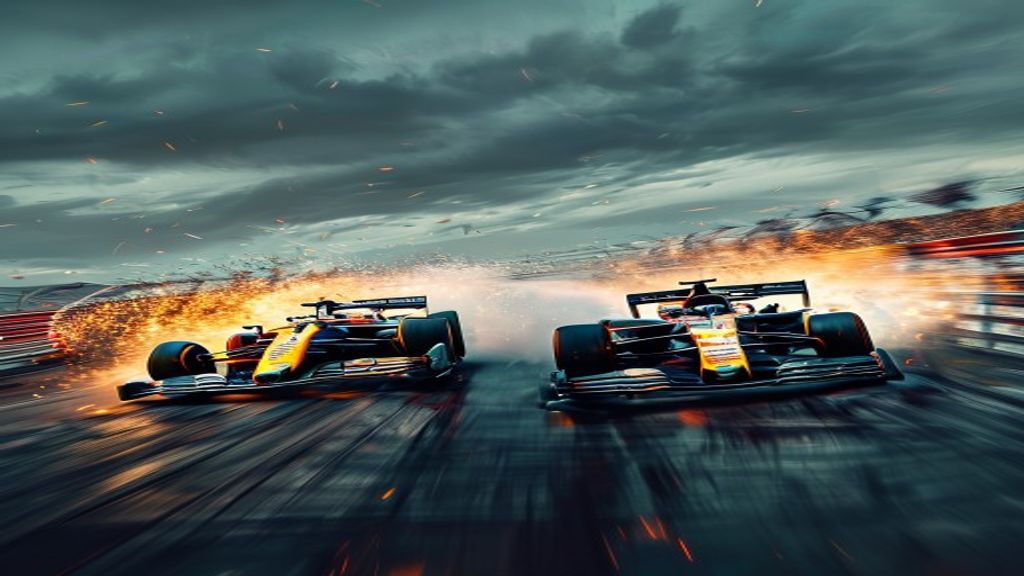
Formula 1’s Sprint Race Experiment Has Failed — Now What?
When Formula 1 unveiled the sprint race format in 2021, the pitch was seductive: a 100km standalone race on Saturday, with its own grid, its own points, and its own drama. No more processional qualifying sessions dominating the build-up. No more one-shot formats that rewarded caution over courage. The sprint would give fans three competitive sessions across a race weekend instead of two, compress the tension, and modernize F1 for a streaming generation with shorter attention spans.
Five years on, the experiment has not delivered. It’s time to say so clearly, and more importantly, to think seriously about what comes next.
What the Sprint Was Supposed to Fix
F1’s leadership had a legitimate problem in mind. Race weekends at tracks like Abu Dhabi, Barcelona, and Paul Ricard had become predictable to the point of tedium. The performance delta between top and bottom teams was vast, tire conservation reduced overtaking to strategy chess rather than wheel-to-wheel combat, and practice sessions — crucial for engineers, invisible to casual fans — occupied premium broadcast hours.
The sprint format, in theory, addressed this by forcing teams to run a competitive session on a grid determined by a compressed qualifying, removing the ability to sandbag through practice, and creating points opportunities that kept the championship battle alive deeper into the season.
Why It Hasn’t Worked
The problem is that Formula 1’s fundamental competitive dynamics don’t compress cleanly. A 100km sprint race doesn’t eliminate the factors that make a standard Grand Prix predictable — it just replicates them in miniature. If Car A is faster than Car B over 305km, it is also faster over 100km. The tire conservation equations change slightly but don’t disappear. The fastest qualifier still leads, still manages the gap, still wins.
Data from the 2024 and 2025 sprint seasons reinforces this: sprint race winners matched the pole-sitter in 71% of events. Overtakes per sprint race averaged 40% fewer than in the corresponding Grand Prix at the same venue. The format that was supposed to generate unpredictability has, statistically, been the most predictable session of the entire weekend.
Worse, the sprint has introduced logistical headaches that actively harm the main event. Teams now face restrictions on setup changes between Saturday and Sunday to prevent the sprint from distorting Sunday’s grid. This means cars sometimes arrive at the Grand Prix in a compromise setup — not optimized for race day conditions, but constrained by the previous day’s sprint configuration. Engineering performance, paradoxically, is reduced by a format intended to showcase it.
The Cultural Pushback
Beyond the numbers, there is a philosophical resistance to the sprint format from within the sport that its architects have consistently underestimated. Drivers — including several of the sport’s most prominent — have been openly critical in press conferences across multiple seasons. The core objection isn’t workload or risk. It’s meaning. In a sport where the Grand Prix has been the undisputed centerpiece for 76 years, a sprint race feels like a warm-up act trying to claim headline billing.
Long-term fans have responded similarly. Forum analytics and social engagement data from F1’s own platforms show sprint weekends generate higher initial viewership but significantly lower sustained engagement through Sunday’s race — suggesting the sprint may actually cannibalize the emotional energy fans bring to the main event.
What Should Replace It
Removing the sprint entirely without replacement would be a missed opportunity. The underlying problem — that race weekends can be too predictable, that practice is unwatchable, that the championship can feel mathematically decided too early — remains real.
A more compelling alternative might involve reverse-grid qualifying races at selected circuits known for overtaking, keeping any results strictly separate from the Grand Prix grid. This preserves the sporting purity of Sunday while creating a genuinely distinct and unpredictable Saturday product. Alternatively, F1 could invest in circuit format diversity — more street circuits, more technical layouts, more mixed-surface experiments — addressing predictability at its structural root rather than patching it with format gimmicks.
Conclusion
The sprint race was not a bad idea pursued cynically. It was a genuine attempt to solve a real problem, and it deserves credit for that ambition. But sport cannot sustain formats that exist primarily to satisfy broadcast schedules and sponsor inventories. If Formula 1 wants to own the next generation of motorsport fans, it needs solutions as sophisticated as its machines — not shortened replicas of a race that already exists.