Home Advantage: Genuine Phenomenon or Convenient Excuse?
We've always assumed playing at home gives you an edge. But the data from empty-stadium games during the pandemic told a different story.
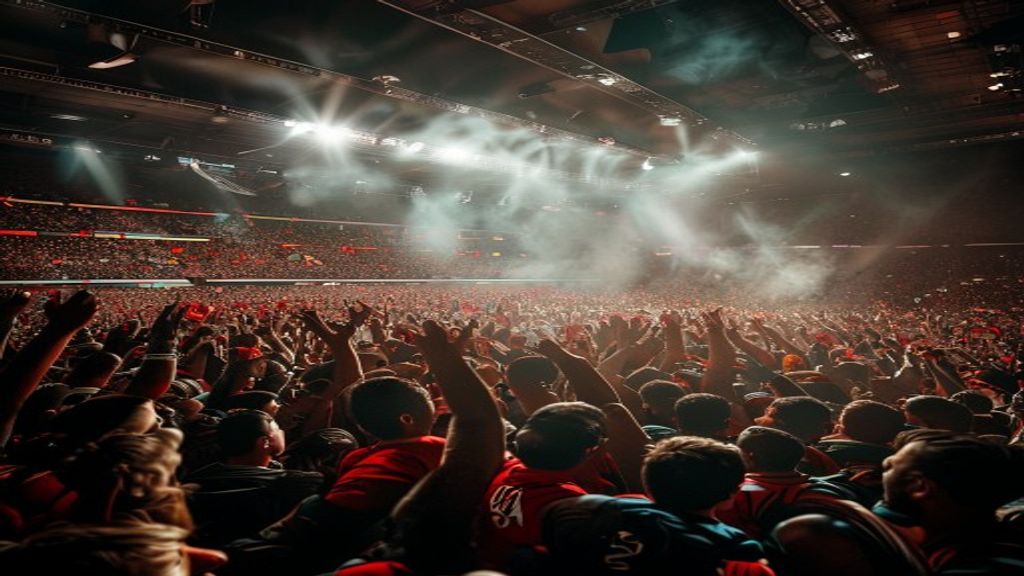
Is Home Advantage Real, or Have We Been Fooling Ourselves?
Every sports fan takes it as gospel: playing at home is an advantage. The familiar surroundings, the supportive crowd, the absence of travel fatigue — it all adds up. But does it really? And if it does, which part of it actually matters?
The Numbers Before the Pandemic
Historically, the data was clear. Across nearly every major team sport, home teams won more often than away teams. In the English Premier League, home win rates hovered around 46% for decades. In the NFL, home teams won roughly 57% of games. In the NBA, the figure was even higher. The pattern was consistent and seemingly unshakeable.
The Natural Experiment
Then came the pandemic and its empty stadiums — an unprecedented natural experiment. For the first time in modern sports history, teams played “home” games without fans. The results were striking. In the Bundesliga, home win rates dropped from 43% to 33% during the behind-closed-doors period. The Premier League saw similar declines. Referee decisions shifted too: away teams received fewer yellow cards, and home teams were awarded fewer borderline penalties.
Unpacking the Components
Sports psychologists have identified several factors that contribute to home advantage:
- Crowd influence on officials — Studies show referees are unconsciously influenced by crowd noise, particularly on tight calls. This effect was dramatically reduced in empty stadiums.
- Travel fatigue — Real but often overstated. In modern professional sports, teams travel in luxury, and the physical impact of a short flight is minimal.
- Familiarity with conditions — Knowing the dimensions of your pitch, the speed of your surface, and the quirks of your venue provides a genuine but small edge.
- Psychological comfort — Sleeping in your own bed, following your normal routine, and seeing friendly faces in the crowd all contribute to a sense of ease.
What the Post-Pandemic Data Shows
Interestingly, since fans returned to stadiums, home advantage has not fully recovered to pre-pandemic levels in several leagues. Some researchers speculate that teams adapted their away strategies during the empty-stadium era and carried those lessons forward. Others suggest that increased analysis of referee bias has made officials more conscious of their decisions.
The Verdict
Home advantage is real — but it’s smaller than most fans believe, and a significant portion of it comes not from any inherent benefit to the home team, but from the influence of crowd noise on match officials. The next time your team loses away from home, the excuse still holds up. Just not by as much as you’d like.