The NBA's Pace Problem: Are We Watching Basketball or a Free-Throw Contest?
The NBA's obsession with fouling as strategy has slowed its most entertaining product to a crawl — and unless the league acts boldly on rule reform, it risks alienating the next generation of fans.
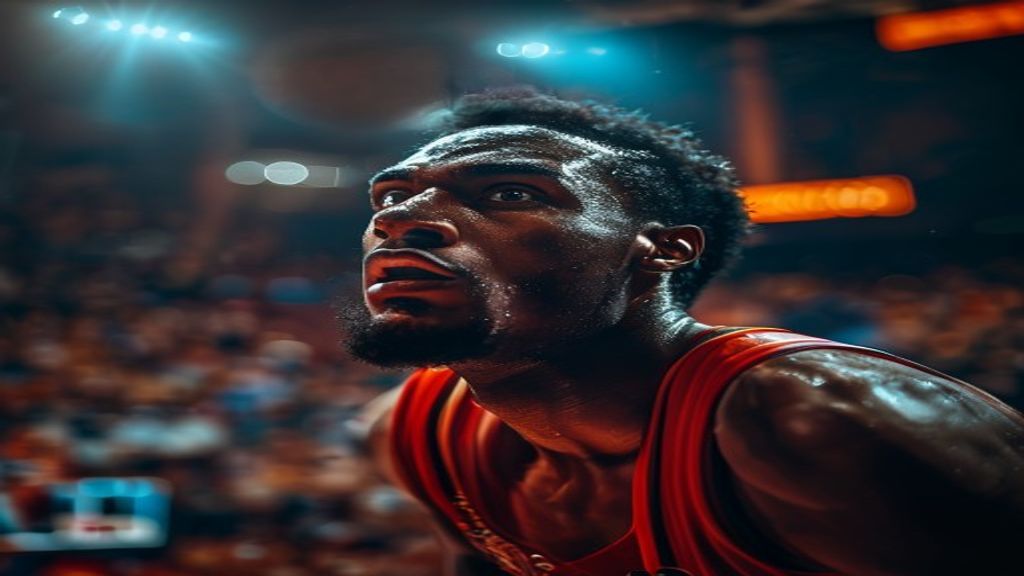
The NBA’s Pace Problem: Are We Watching Basketball or a Free-Throw Contest?
Basketball, at its finest, is the world’s most beautiful team sport. Five players moving as one organism — passing, cutting, spacing, finishing — at breathtaking speed. The NBA has long been the showcase for this ideal. So why, in May 2026, do the most critical moments of playoff basketball routinely dissolve into a rhythm of whistle, walk, bounce, shoot, repeat?
The free throw has become the league’s most controversial weapon, and it is quietly strangling the game.
How We Got Here
The roots of the problem stretch back to the mid-2010s, when analytics teams across the league identified a simple, brutal truth: free throws are the most efficient shot in basketball. A trip to the line yields roughly 1.5 points per possession on average — better than a corner three, better than a mid-range jumper, better than almost anything else on the floor.
So players began engineering contact. “Foul hunting” evolved from a late-game tactic into a core offensive skill set. Pump fakes, arm hooks, and shot-motion manipulations designed specifically to draw whistles became staples of offensive repertoires. Referees, caught between inconsistent rules and an impossible standard of accuracy, called fouls at an ever-increasing rate.
By the 2025-26 season, the average NBA playoff game features over 48 combined free throw attempts. In the final two minutes of close games, that number spikes dramatically. What should be the most thrilling stretch of basketball becomes, functionally, a free-throw clinic interrupted by occasional live play.
The Fan Experience Is Suffering
Ratings data is worth taking seriously here. The NBA’s 18-34 demographic engagement — the cohort that drives the sport’s cultural relevance — has shown measurable decline during fourth-quarter stretches of foul-heavy playoff games. Attention fragments. Second screens pull viewers away. The emotional continuity that makes a great game feel great is shattered by constant stoppages.
This is not mere nostalgia for a rougher era. It is a structural entertainment problem with a structural solution.
What Reform Could Look Like
Several credible proposals are already circulating in league circles, and at least two deserve serious consideration.
The Challenge Expansion Model: Extend coach’s challenges to include foul calls, with no penalty for successful challenges in the final three minutes. This introduces accountability without removing referee authority.
The College/FIBA Hybrid Rule: Adopt a modified version of the rule already used internationally — whereby off-ball, non-shooting fouls in the final minutes result in possession rather than free throws, unless the team is in the bonus beyond a stricter threshold. This keeps the game moving while preserving meaningful fouling consequences.
The “Clear Intent” Standard: Require referees to apply a clearer “clear basketball intent” standard when ruling on player-initiated contact. If a player’s primary motion is designed to initiate contact rather than attempt a shot, no foul is called. Difficult to enforce? Yes. But the current standard is already inconsistently enforced — the difference would be in which inconsistency we choose.
The Counterargument
Defenders of the status quo — and there are many, particularly among player unions and analytics-forward front offices — argue that free throws are simply the correct exploitation of existing rules. Change the rules, they say, and players will adapt and find new exploits. You cannot make basketball immune to optimization.
This is true. But optimization that makes a sport less watchable is an organizational problem, not a virtue. The NFL adjusts rules constantly to protect passers and increase scoring. The NHL altered overtime formats to eliminate ties. Sports evolve their rules to protect their entertainment value. The NBA has that same right — and arguably, that same obligation.
Conclusion
No one is asking the NBA to become rugby. The free throw is a legitimate part of basketball’s fabric. But when the most game-defining skill in a playoff run is the ability to manufacture contact at the expense of actual basketball, something has gone wrong — not with the players, but with the system they are rationally exploiting. The league has the data. It has the platform. What it needs is the courage to act before the pace problem becomes a legacy problem.