Why the Olympic Games Must Finally Embrace Esports — Or Risk Irrelevance
With the IOC's esports pilot program drawing massive viewership numbers and a global youth audience already invested, the Olympic movement faces a defining choice: integrate competitive gaming into its core identity, or watch its cultural authority erode in real time.
Why the Olympic Games Must Finally Embrace Esports — Or Risk Irrelevance
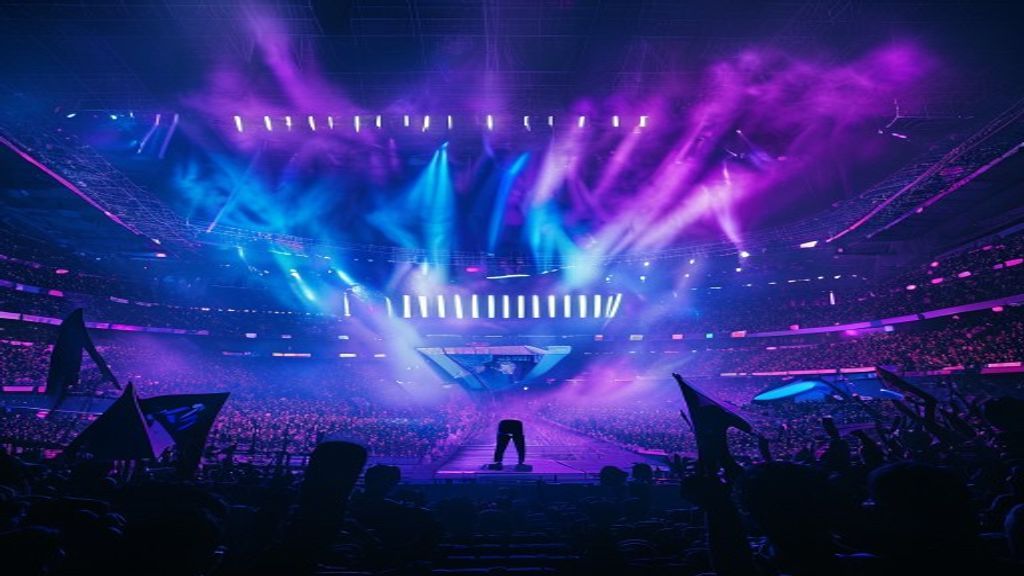
The 2025 Olympic Esports Games in Saudi Arabia drew 500 million online viewers. Let that number breathe for a moment. A flagship IOC event — not the Summer Olympics, not the Winter Games — but a standalone esports competition generated viewership that rivals the Super Bowl. And yet, as of mid-2026, competitive gaming still does not feature as a full medal sport at the Summer Olympics. The question is no longer whether esports belongs at the Olympics. The question is how much longer the IOC can afford to keep it out.
The Youth Engagement Crisis Is Real
Olympic viewership among the 16-34 demographic has declined consistently since 2012. The Tokyo 2020 Games, held in 2021, posted the lowest U.S. ratings for a Summer Olympics in decades. Paris 2024 arrested the decline partially by adding breaking (breakdancing) and sport climbing — moves explicitly designed to attract younger audiences. They worked, modestly. But the IOC is playing catch-up with a cultural moment that esports already owns.
Among people under 30, League of Legends, Valorant, and EA Sports FC have more weekly active participants than tennis, golf, and cycling combined. These are not passive consumers — they are deeply invested competitors, analysts, and fans. They speak the language of sport fluently. They just don’t watch sailing.
The “It’s Not a Sport” Argument Is Exhausted
The philosophical gatekeeping around esports’ sporting legitimacy has become intellectually threadbare. The IOC already recognizes chess, bridge, and competitive shooting as sports with Olympic histories. The physical demands of top-level competitive gaming — reaction times measured in milliseconds, sustained mental focus across six-hour competition days, the psychological pressure of global arenas — are not trivial. South Korean and Chinese esports academies have sports scientists, physiotherapists, and psychologists on staff. These are professional athletic programs in every meaningful sense.
The counter-argument that esports promotes violent content also collapses on inspection. The IOC’s own pilot program specifically selected non-violent titles: virtual cycling, virtual rowing, tennis simulation, and racing games. A framework for violence-free esports representation already exists.
What Full Integration Would Look Like
Practically, integrating esports into the Olympic program would require thoughtful structure. A dedicated Esports discipline within the Summer Games — similar to how Aquatics houses swimming, diving, and water polo — could accommodate four to six titles rotating on a four-year cycle. Publishers would need to commit to open, transparent competitive formats, and the IOC would need to navigate revenue-sharing with private gaming companies, which is admittedly complex.
But complexity is not impossibility. The IOC has brokered media rights deals worth billions and managed the commercial interests of 206 national committees simultaneously. Negotiating with Riot Games and EA is not beyond its institutional capacity.
The Cultural Stakes
This is ultimately about more than viewership metrics. The Olympic Games derive their power from being the world’s shared sporting stage — the event where nations compete on equal footing in front of a global audience. If a generation of young people grows up seeing their competitive passions excluded from that stage, the emotional contract between the Olympics and the next generation of fans simply will not form. The IOC can survive one generation of declining youth engagement. It cannot survive two.
Conclusion
The Olympic movement was built on the radical idea that sport is a universal language. In 2026, hundreds of millions of people speak esports fluently. The IOC has a choice: learn the language, or watch the conversation happen without them. History’s most successful sporting institution did not get there by romanticizing the past. It got there by recognizing where the world was going — and going there first.