Why the World Cup at 48 Teams Is Both a Triumph and a Tragedy
The expanded 48-team FIFA World Cup has delivered on its promise of global inclusion, but it has also quietly diluted the tournament's pressure-cooker intensity — and the sport is still reckoning with that trade-off.
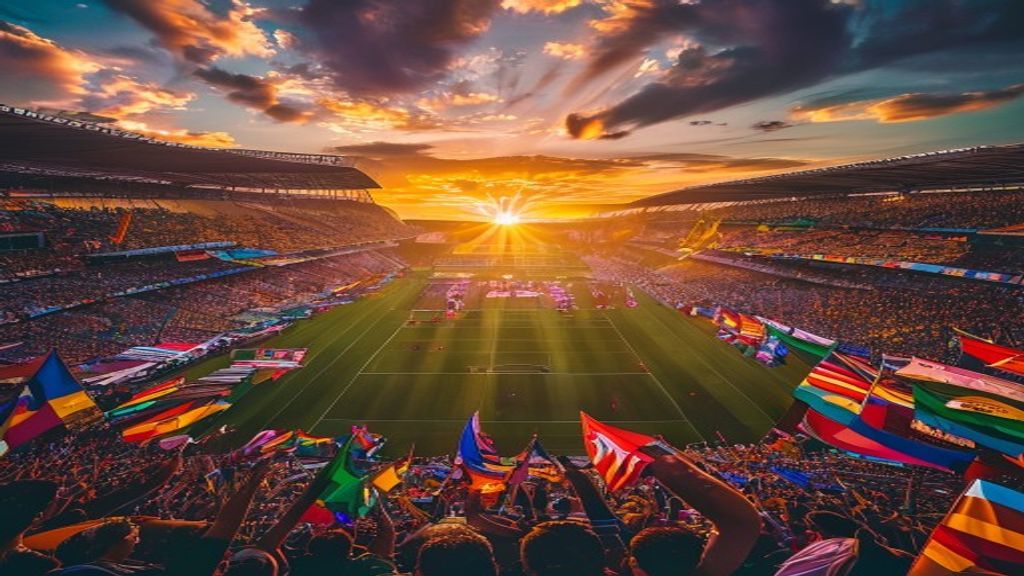
Why the World Cup at 48 Teams Is Both a Triumph and a Tragedy
When FIFA officially expanded the World Cup to 48 teams beginning with the 2026 edition, the reactions split along predictable lines. Traditionalists mourned the dilution of the most prestigious tournament in sport. Progressives celebrated the democratization of global football. Both sides, as is usually the case, were right.
Now, with the dust settled on the 2026 edition and the 2030 cycle underway, we have enough evidence to make a clear-eyed assessment. The expanded World Cup is, simultaneously, the best and worst thing to happen to international football in a generation.
The Case for Expansion: Inclusion Is Not a Small Thing
Let’s start with the genuine triumph. The 2026 tournament featured the first-ever World Cup appearances from nations in Oceania, Central Asia, and Sub-Saharan Africa that had previously been structurally locked out of qualification. These weren’t just token appearances — several of these nations advanced from their groups, delivered stunning upsets, and introduced billions of new viewers to the tournament.
The cultural impact is measurable. FIFA reported a 22% increase in total global viewership for 2026 compared to 2022, with the bulk of growth coming from regions newly represented on the pitch. Young players in underrepresented nations now have a realistic belief that their national team can qualify. That belief is a pipeline — and pipelines take decades to produce talent.
The Case Against: What Happened to Jeopardy?
Here is where the tragedy enters. The old 32-team World Cup was brutally efficient at producing high-stakes football. Every group stage match carried existential weight. A single loss could — and regularly did — end a tournament for a nation like Germany, Argentina, or France. That knife-edge tension was the tournament’s greatest asset.
With 48 teams, the group stage expanded to include 12 groups of four, with the top two and best third-place teams advancing. The mathematics changed the psychology. A team ranked in the top 20 globally entering the group stage now has roughly a 91% modeled probability of advancing — compared to 74% under the old format. When elite teams know they have margin for error, they play with margin for error. The group stage has, in patches, felt oddly consequence-free.
The 2026 group stage produced a record number of “dead rubber” final matchdays — games that were mathematically irrelevant before kickoff. These were not the games anyone tuned in for.
The Scheduling Problem Nobody Warned Us About
Beyond the structural issues, the expansion created a logistical burden that quietly damaged the competition. The additional matches compressed the rest periods for advancing teams, particularly those who played three tight group games, while rewarding teams who coasted through soft groups with extra recovery time. It introduced a bracket inequality that no amount of seeding reform has fully addressed.
Player welfare advocates — already battling an overcrowded club calendar — have raised legitimate concerns about the physical toll of a 104-game tournament schedule on host infrastructure and on players competing deep into the summer after exhausting club seasons.
The Compromise Nobody Wants to Say Out Loud
The honest solution sits at 40 teams. It extends inclusion meaningfully beyond 32 without inflating the group stage into irrelevance. It maintains the mathematical tension that makes the early rounds gripping. It is, from nearly every analytical angle, the right number.
FIFA will never go back to 40. The commercial agreements, the hosting contracts, the political capital spent on expansion — these are immovable objects. So the conversation must shift to how to maximize intensity within the 48-team framework. A strong candidate: eliminate the third-place qualifier concept entirely and restructure tiebreakers to reward goal difference more aggressively, restoring incentives for attacking football even in “safe” positions.
Conclusion
The 48-team World Cup is not a mistake — it is a compromise, and compromises always come with costs. The cost here is a modest but real diminishment of the tournament’s pressure and purity. The gain is genuine: more of the world is at the table, and that matters enormously in a sport that belongs to everyone.
Football’s challenge is to honor both truths without pretending either doesn’t exist. The World Cup remains the greatest sporting event on Earth. It just needs to remember why it earned that title in the first place.